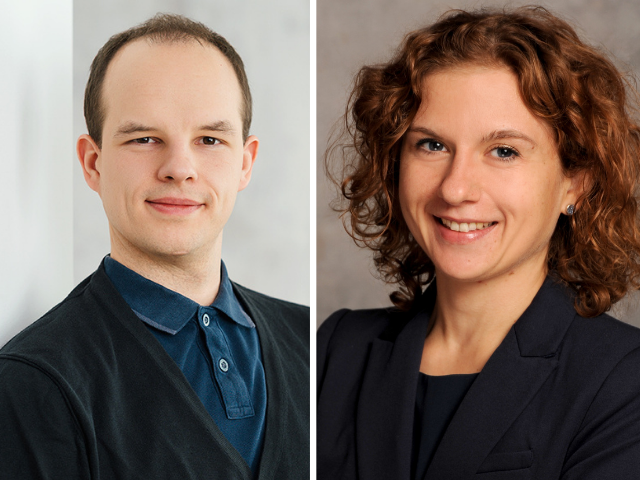
Dr Theresia Heiden-Hecht and Dr Tobias Neuwirth from the Heinz Maier-Leibnitz Zentrum (MLZ) were honoured at the SNIB2026 conference in Hamburg on 10 September 2026 with awards from the Committee Research with Neutrons (KFN).
MLZ is a cooperation between:
 > Technische Universität München
 > Helmholtz-Zentrum Hereon
 > Forschungszentrum Jülich
MLZ is a member of:
 > LENS
 > ERF-AISBL
MLZ on social media:



MLZ (eng)
Lichtenbergstr.1
85748 Garching
Life Science & Health
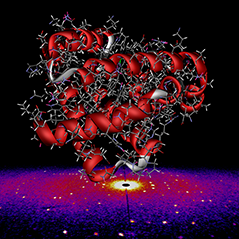
“Health is the highest good” – the truth in this old saying has become the focus of much attention in society in recent years. Better nutrition and health care has led to increased life expectancy. Research in the fields of diagnostics and medicine, functional medical materials, and functional foods has contributed significantly to improvements in the quality of life. In this respect, neutron research plays an important role. Neutrons are used to produce radionuclides for use in treatments and for diagnostic purposes.. Techniques involving fast neutron irradiation therapy have been used as cancer therapy. Furthermore, neutrons are a powerful tool used in food science and for the study of protein dynamics and cell structure.
MLZ addresses the Grand Challenges
- 18.09.2026
- 18.03.2026
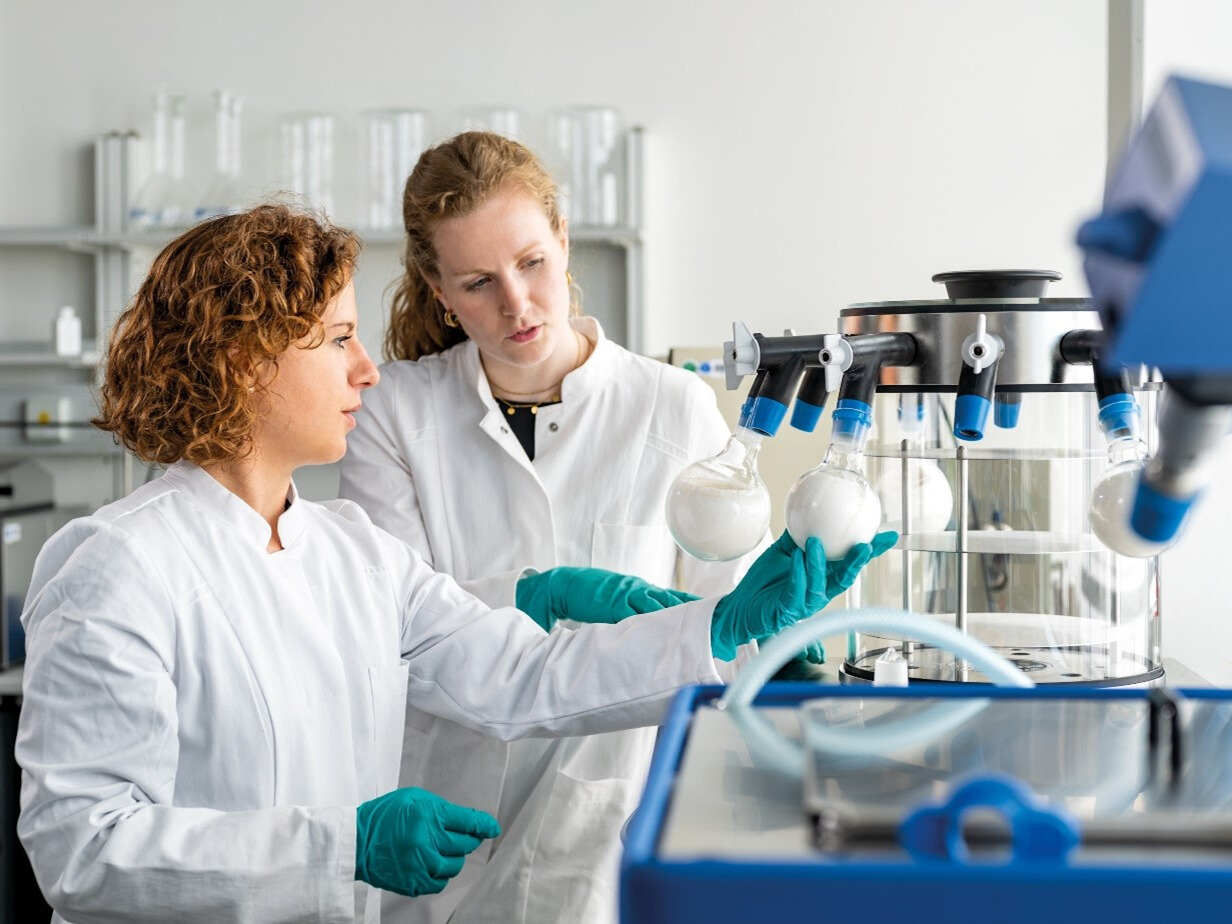
The food industry is increasingly focusing on sustainable products. Proteins from green biomass are a promising option, as a research team involving the MLZ has discovered. These can be used, for example, as stabilisers in emulsions, such as in plant-based alternatives to yogurt, milk, ice cream, or cheese.
- 11.02.2026
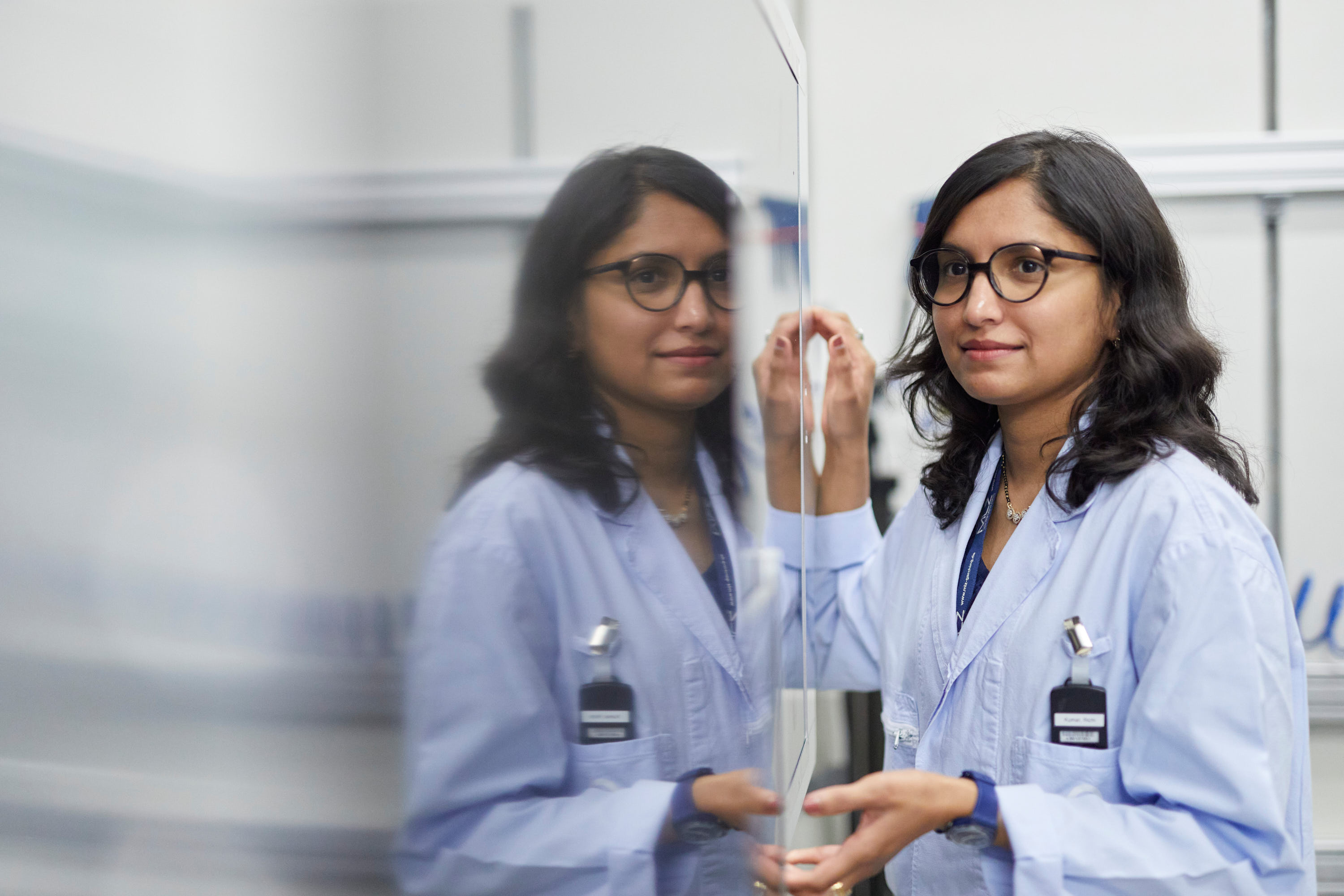
Whether used to treat bone fractures, replace teeth or act as pacemakers, metallic implants have become an irreplaceable part of modern medicine. They must remain stable while integrating with surrounding tissue. A new avenue being explored in the field of biological implants is designing titanium-magnesium hybrid implants that combine the advantages of both materials to create superior implants. Titanium is used for its high strength, while the magnesium component dissolves over time and helps stimulate bone growth. Such materials have the potential to revolutionise metallic implants.
- 27.01.2026
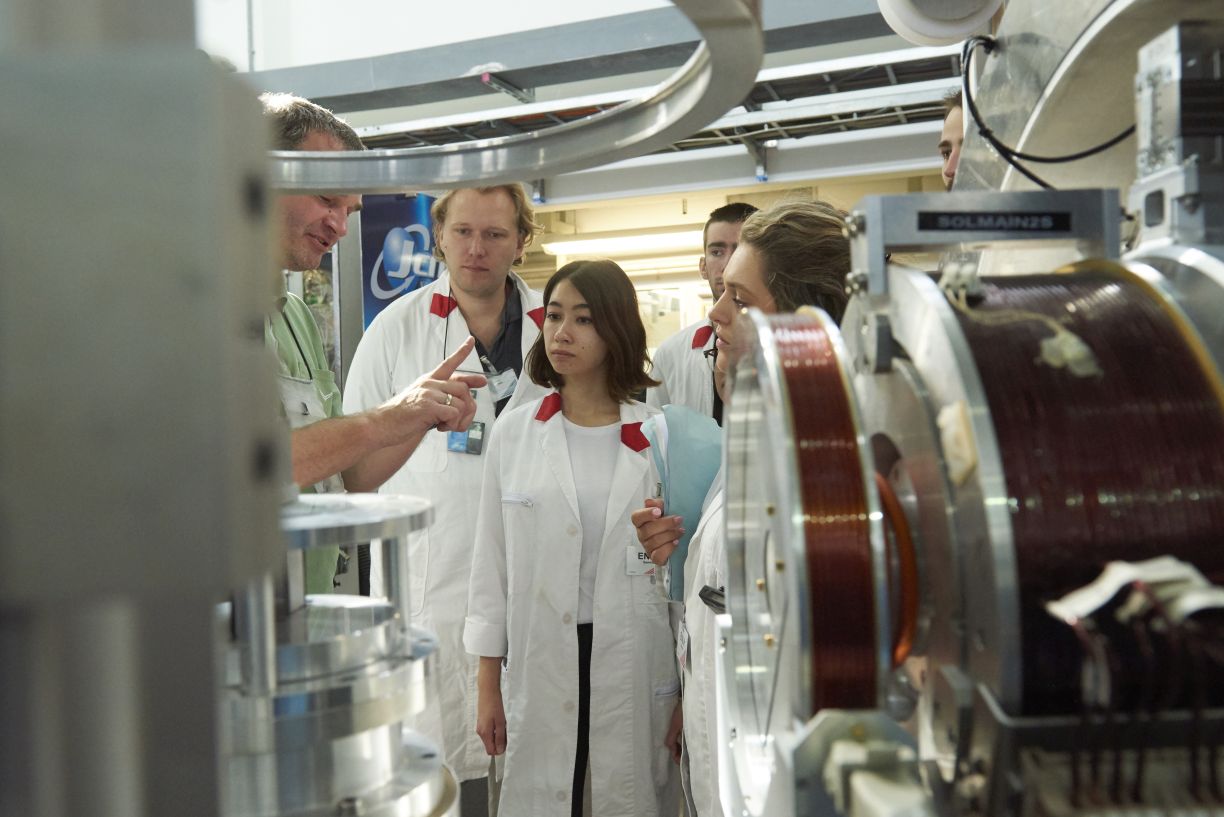
A research group from Lund has investigated the crystalline proteins of the eye lens at the MLZ. Using neutrons, they showed that macroscopic properties can be predicted surprisingly well using simple mixing rules. The results provide new insights into age-related changes in the lens and open up perspectives for research into diseases such as Alzheimer’s or cataracts.
- 05.01.2026
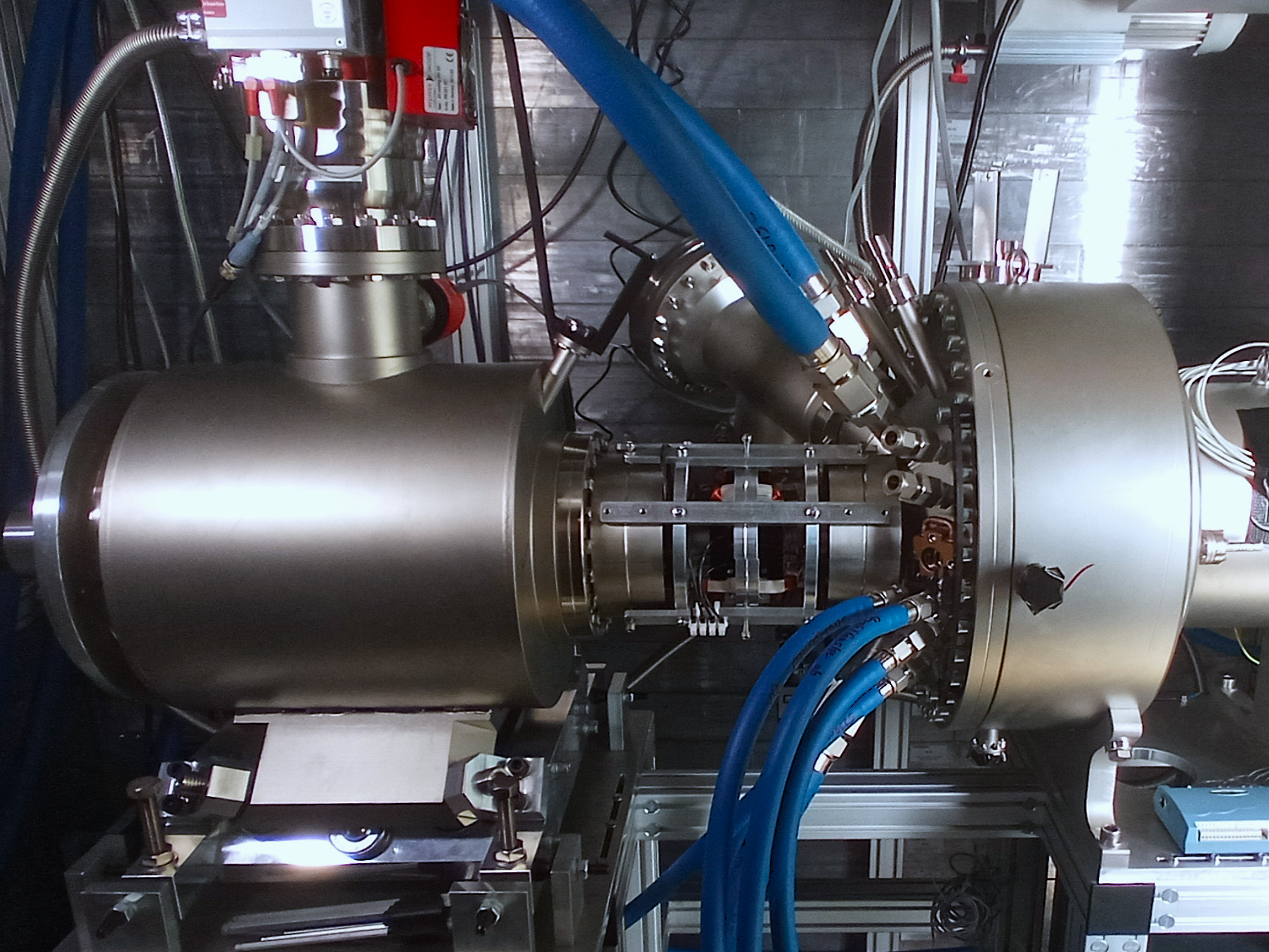
A newly developed prototype at FRM II enables complex microbeam therapy for the first time, allowing it to be performed at a distance of only one and a half meters. Until now, this new form of radiation therapy, which enables better tumor control and fewer side effects than conventional methods, could only be performed using giant particle accelerators and was therefore not a realistic option for clinical use. The line-focus X-ray tube, the world’s first prototype of which was built at FRM II, could bring micro-radiation therapy into clinical application for the first time.
- 24.10.2024
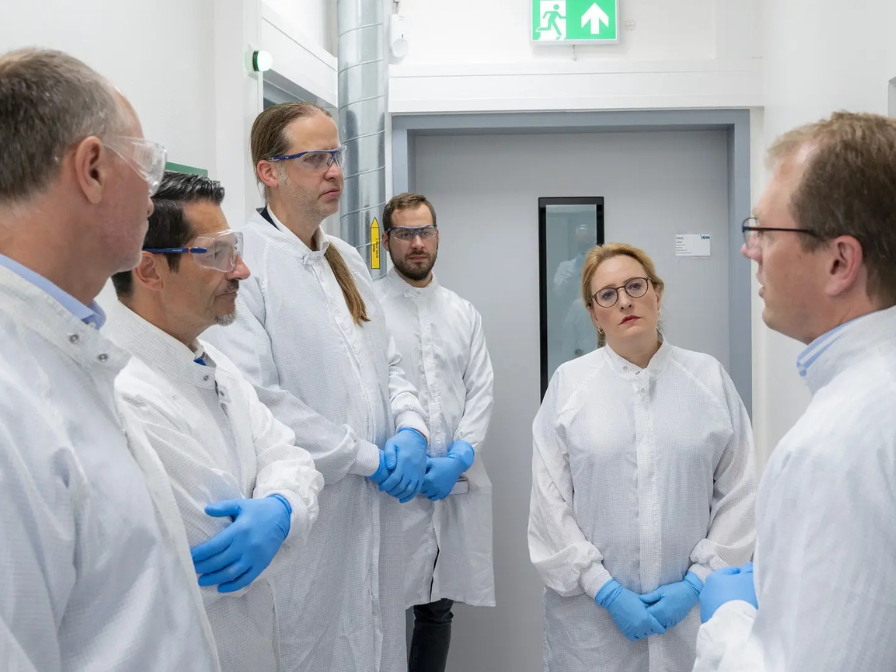
In an effort to provide more targeted therapies for cancer patients, the Technical University of Munich (TUM), the TUM University Hospital, and ITM Isotope Technologies Munich SE have signed a research framework agreement. Through this partnership, the institutions aim to enhance their collaboration and involvement of the FRM II research reactor in the fields of nuclear medicine, radiopharmacy, and medical isotope technology.
- 09.10.2024
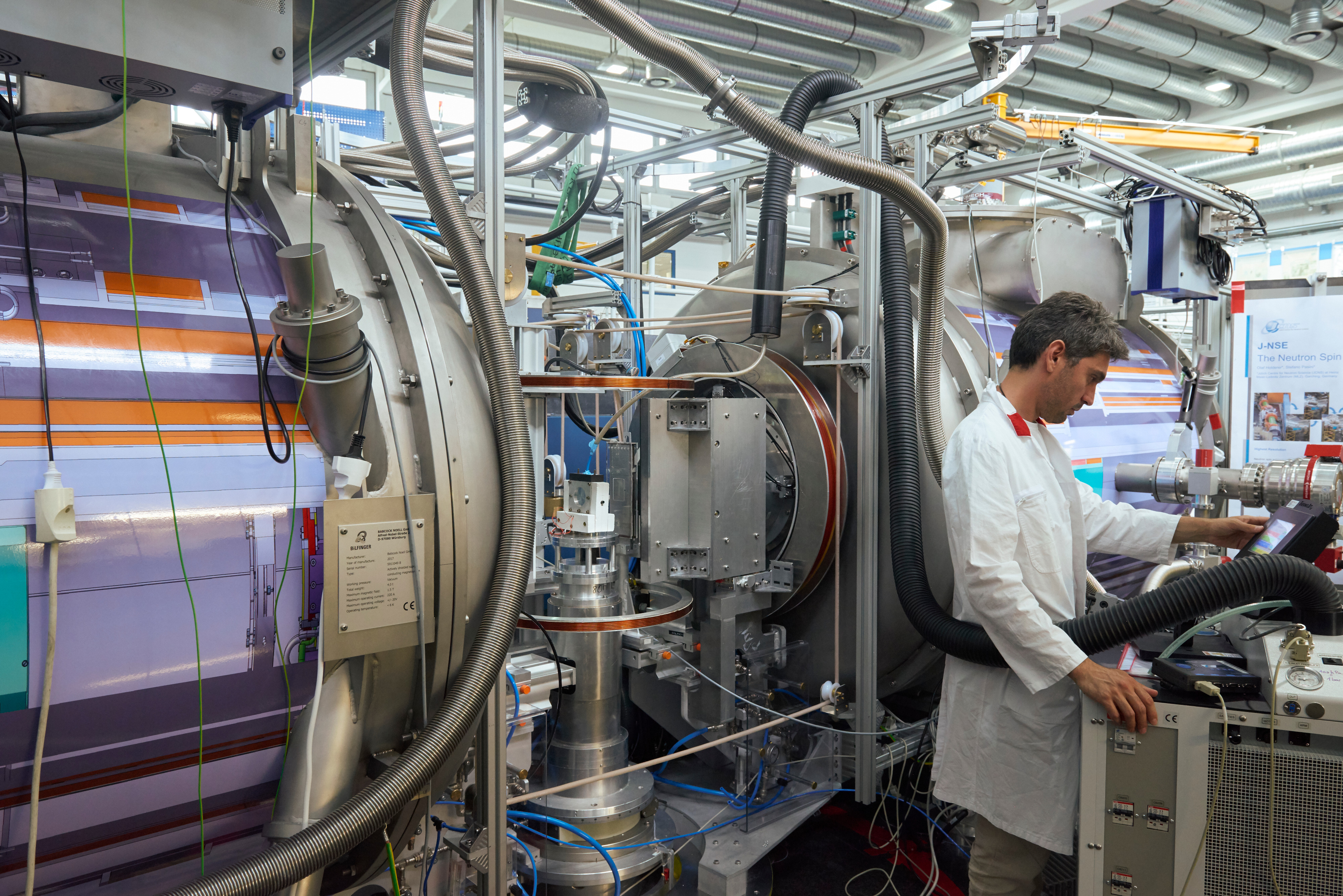
Proteins are long-chain molecules essential for all biochemical processes in our body. How they move exactly in the densely packed cell interior has yet to be clarified. A Spanish research team has investigated at the MLZ how the dynamics of mimetic model polymer nanoparticles change depending on their environment.
- 10.07.2024
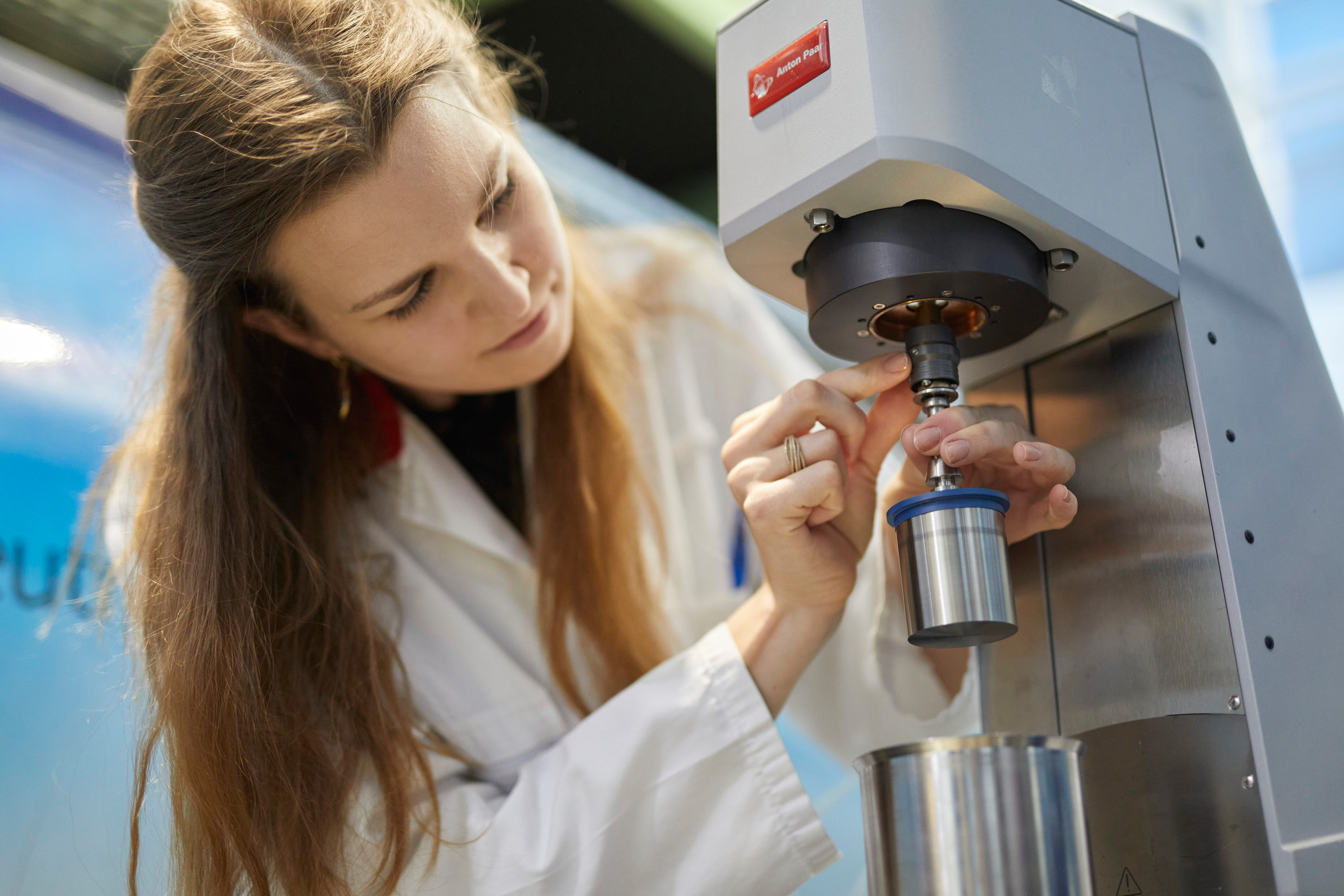
Up to three percent of people with diabetes have an allergic reaction to insulin. A team at Forschungszentrum Jülich has now investigated a method that could be used to deliver the active ingredient into the body in a masked form – in the form of tiny nanoparticles. The insulin is only released in the target organ when the pH value deviates from the slightly alkaline environment in the blood. The molecular transport system could also serve as a platform to release other drugs in the body precisely at the target site.
MLZ is a cooperation between:
> Technische Universität München> Helmholtz-Zentrum Hereon
> Forschungszentrum Jülich
MLZ is a member of:
> LENS> ERF-AISBL
MLZ on social media: