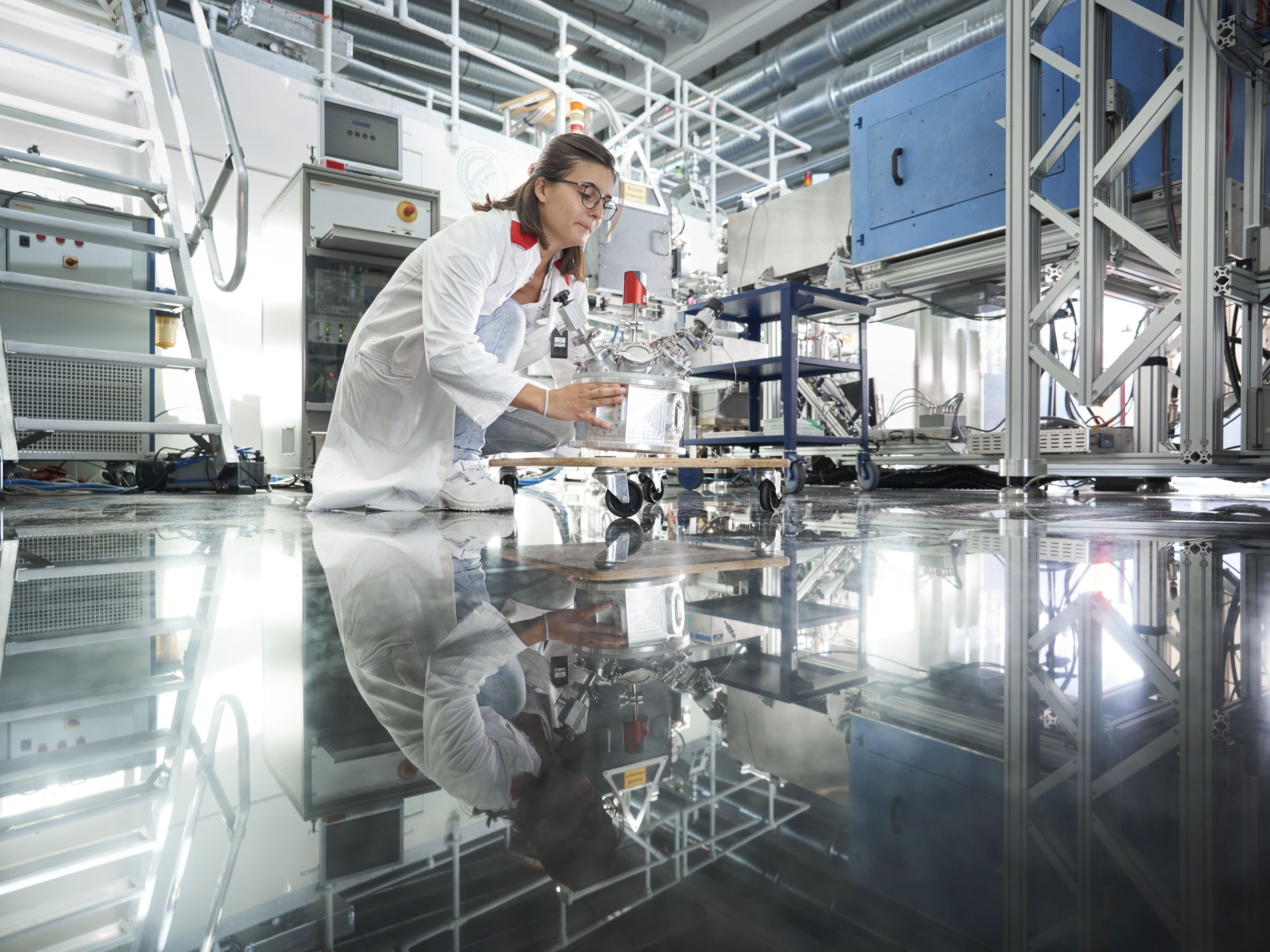
In a joint multi-disciplinary study, MLZ-collaborators have analyzed in real time, how hydrogen enters thin layers of metal. Main author, Dr. Laura Guasco, and her colleague and co-author Dr. Sabine Pütter talk about the importance of their findings.
MLZ is a cooperation between:
 > Technische Universität München
 > Helmholtz-Zentrum Hereon
 > Forschungszentrum Jülich
MLZ is a member of:
 > LENS
 > ERF-AISBL
MLZ on social media:




MLZ (eng)
Lichtenbergstr.1
85748 Garching
- 14.10.2026
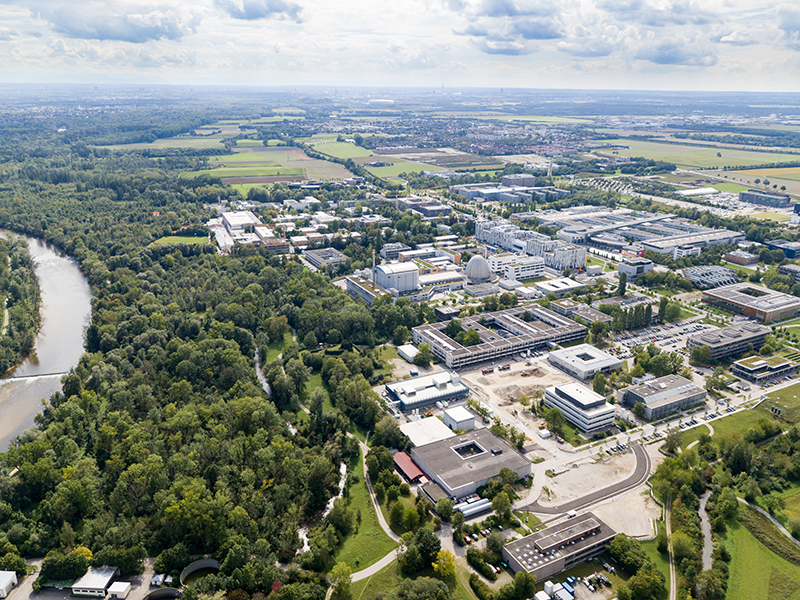
From language models and autonomous experiments to machine learning: four research projects at the Heinz Maier-Leibnitz Centre (MLZ) are receiving funding of around 1.4 million euros from the Federal Ministry of Research, Technology and Space (BMFTR).
- 05.10.2026
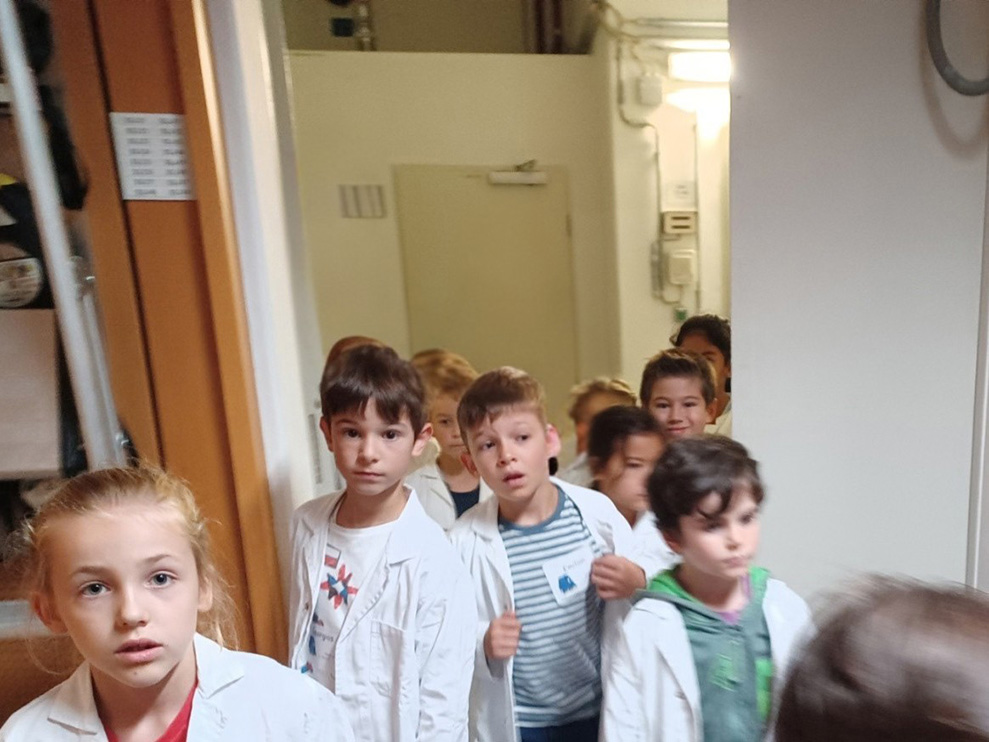
406 adults and 80 children toured the research neutron source during the campus-wide Open House and “Mouse Day.” In addition, several hundred curious visitors stopped by the booths of the Heinz Maier-Leibnitz Zentrum and FRM II to learn more about neutron research.
- 29.09.2026
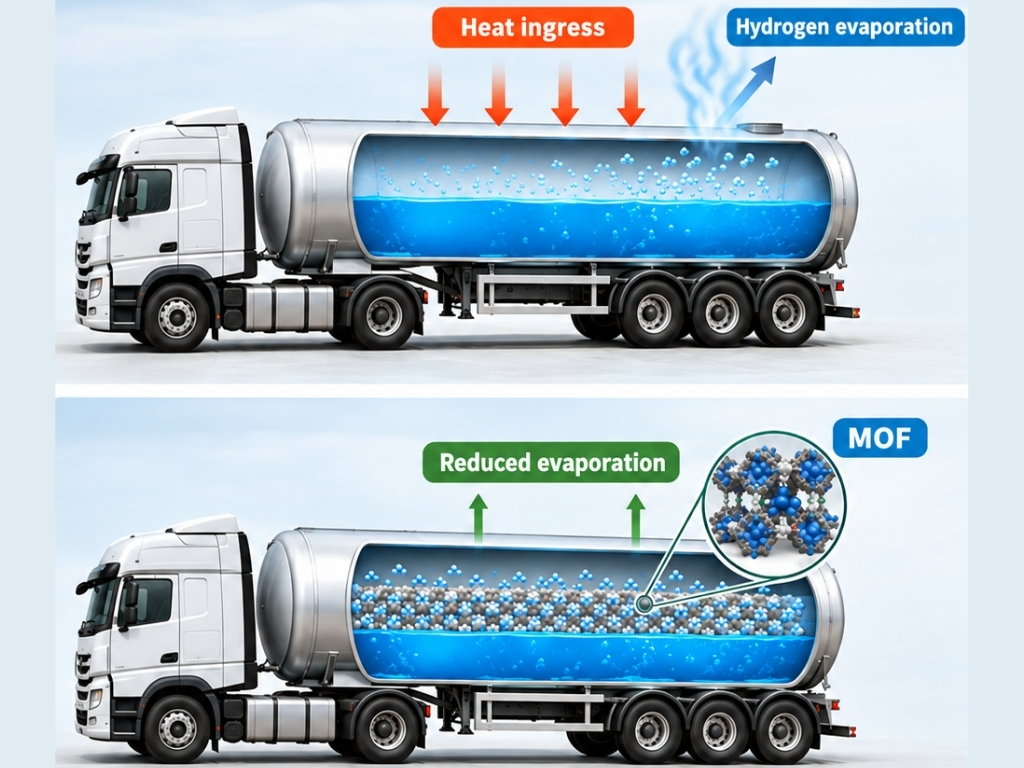
Researchers from the Ulsan National Institute of Science and Technology (UNIST), Ewha Womans University, the Institut Laue Langevin and the MLZ report that the modelled storage duration has more than tripled, with liquid hydrogen reaching up to 97% of its theoretical volume capacity.
Events
Seminar: Neutrons in Research and Industry
Seeing the Invisible: Neutron Techniques for Cultural Heritage at the ISIS neutron and muon source
26.10.2026
14:30 - 15:30 h
Seminar: Neutrons in Research and Industry
Crystal structure in Materials Science
02.11.2026
14:30 - 15:30 h
Seminar: Neutrons in Research and Industry
Seeing Inside the Battery: Neutron Scattering as a Window into Electrochemical Processes
23.11.2026
14:30 - 15:30 h
Conference
MLZ User Meeting 2026
02.12.2026 - 03.12.2026
» Show allAnnual Report 2025 online
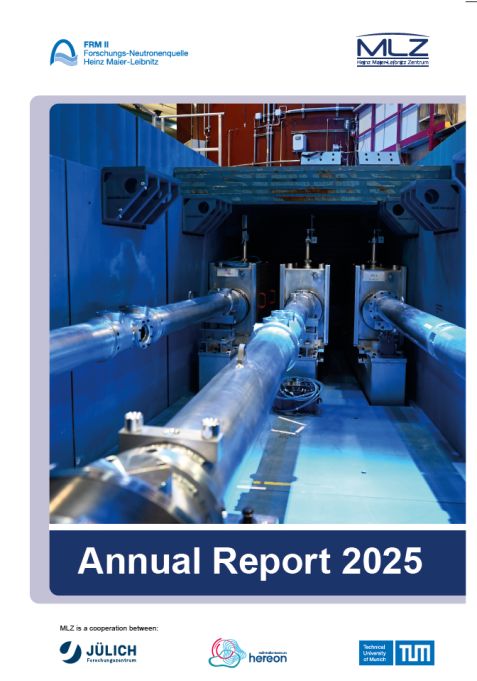
Scientific Annual Report 2025
The 2025 Annual Scientific Report explores how smartphone camera sensors are used to study antimatter and how additive manufacturing is helping to dispose of space debris. In addition to these highlights, the report provides insights into more than 20 other publications that were produced using neutrons or positrons and involving MLZ scientists.
We need neutrons!

In the KFN series “We need neutrons”, researchers report on how neutron research can help overcome the major challenges of our time. You can also look out for the statements on our LinkedIn channel.
MLZ Newsletter – I/2026
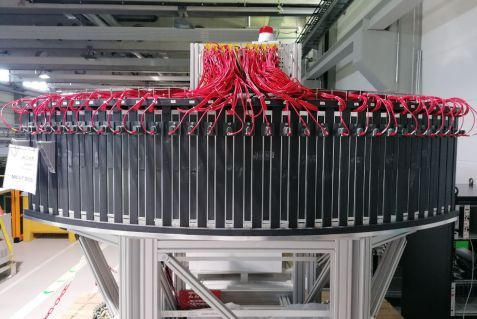
Find out more about exciting new projects funded by the BMFTR as part of the ErUM-Pro programme, explore two new instruments, and take a look back at the achievements of a brilliant colleague in this first newsletter of the year!
From Behind The Sciences
- 11.03.2026Author: Andrea Voit
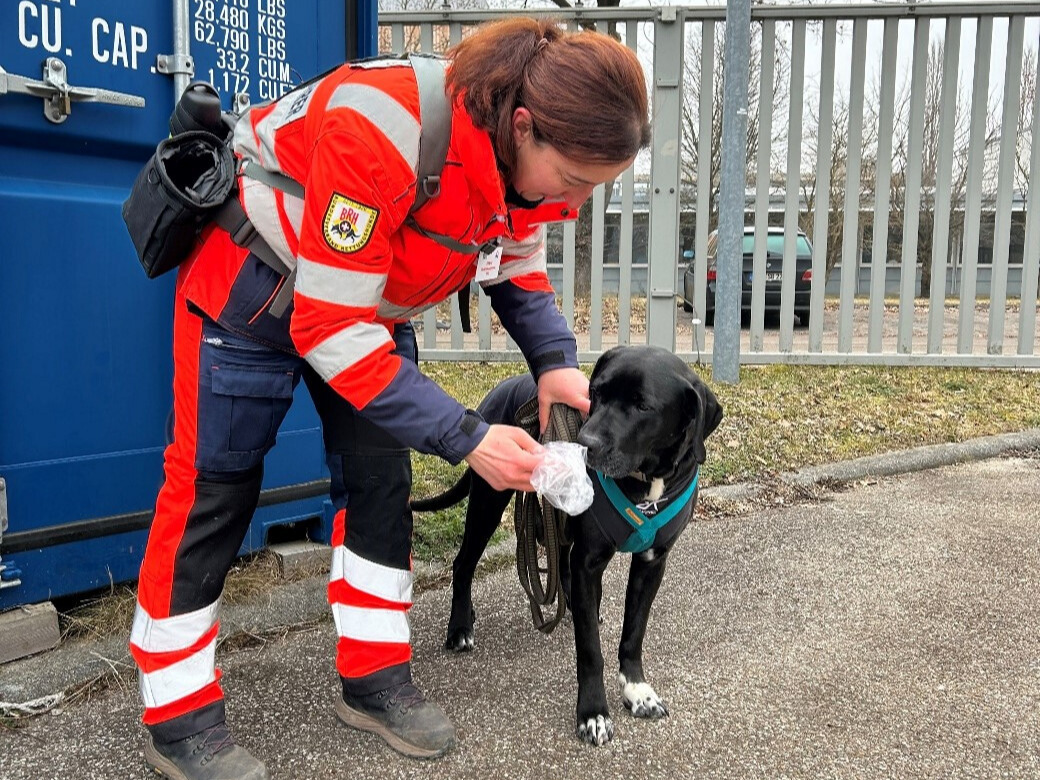
BMFTR action plan “ErUM-Pro funding” at MLZ:
MLZ is a cooperation between:
> Technische Universität München> Helmholtz-Zentrum Hereon
> Forschungszentrum Jülich
MLZ is a member of:
> LENS> ERF-AISBL
MLZ on social media: