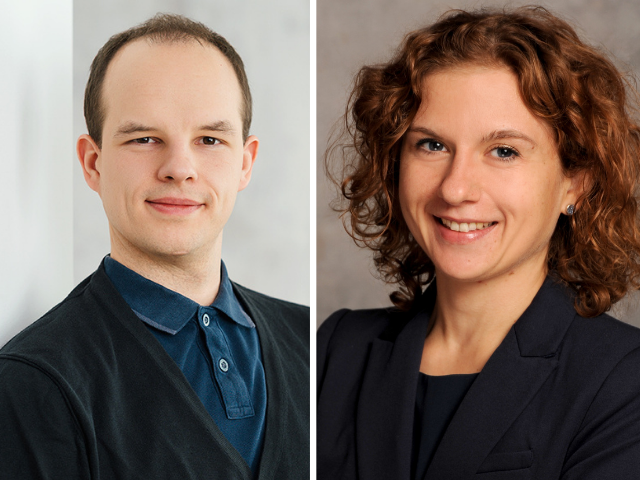
Dr Theresia Heiden-Hecht and Dr Tobias Neuwirth from the Heinz Maier-Leibnitz Zentrum (MLZ) were honoured at the SNIB2026 conference in Hamburg on 10 September 2026 with awards from the Committee Research with Neutrons (KFN).
MLZ is a cooperation between:
 > Technische Universität München
 > Helmholtz-Zentrum Hereon
 > Forschungszentrum Jülich
MLZ is a member of:
 > LENS
 > ERF-AISBL
MLZ on social media:




MLZ (eng)
Lichtenbergstr.1
85748 Garching
- 18.09.2026
- 11.09.2026

How can non-destructive testing methods help to use materials more efficiently, increase product longevity, and accelerate the circular economy? At the 10th TUM Expert Forum on 3 September 2026, experts from science and industry discussed non-destructive measurement techniques and their potential for industrial applications.
- 09.09.2026

Neutrons from the MLZ’s MARIA magnetic reflectometer for large incident angles have helped elucidate a mechanism by which plants activate their immune defences. These findings can be used to develop bio-based plant protection products.
- 02.09.2026
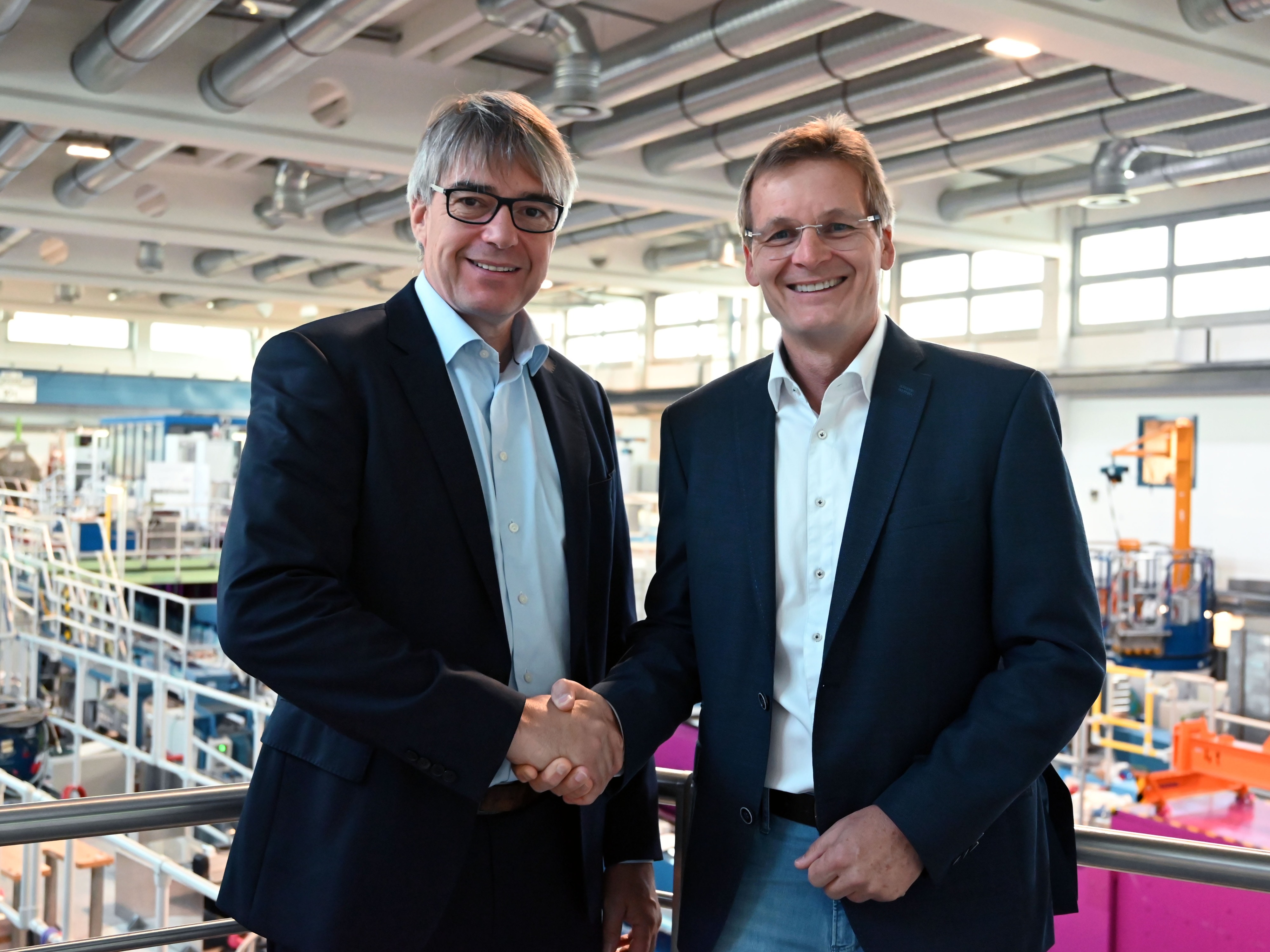
The Research Neutron Source Heinz Maier-Leibnitz (FRM II) at the Technical University of Munich (TUM) is welcoming a new Scientific Director. Physicist and TUM alumnus Prof. Andreas Meyer will take over from Prof. Christian Pfleiderer on 1 October 2026. Since 2021, Andreas Meyer has served as the German Associate Director of the Institut Laue-Langevin (ILL) in Grenoble.
Events
Seminar: Neutrons in Research and Industry
Kick-off meeting
12.10.2026
14:30 - 15:30 h
Seminar: Neutrons in Research and Industry
Marvel Fusion GmbH
19.10.2026
14:30 - 15:30 h
ML-Reflectometry workshop
21.10.2026
09:30 - 17:30 h
Seminar: Neutrons in Research and Industry
ESS
26.10.2026
14:30 - 15:30 h
» Show allAnnual Report 2025 online
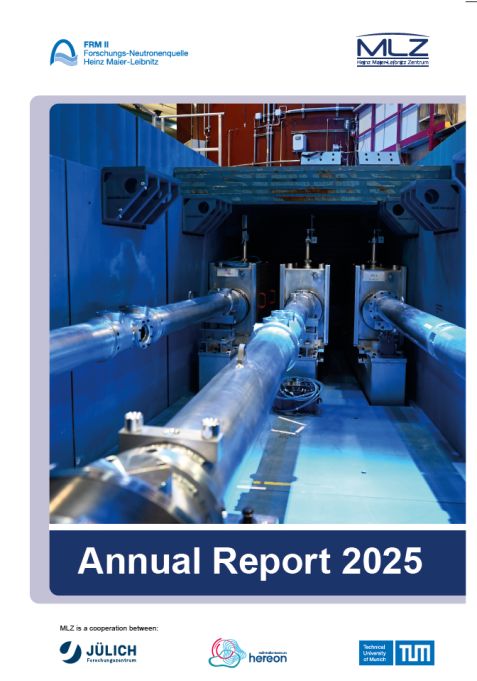
Scientific Annual Report 2025
The 2025 Annual Scientific Report explores how smartphone camera sensors are used to study antimatter and how additive manufacturing is helping to dispose of space debris. In addition to these highlights, the report provides insights into more than 20 other publications that were produced using neutrons or positrons and involving MLZ scientists.
We need neutrons!

In the KFN series “We need neutrons”, researchers report on how neutron research can help overcome the major challenges of our time. You can also look out for the statements on our LinkedIn channel.
MLZ Newsletter – I/2026
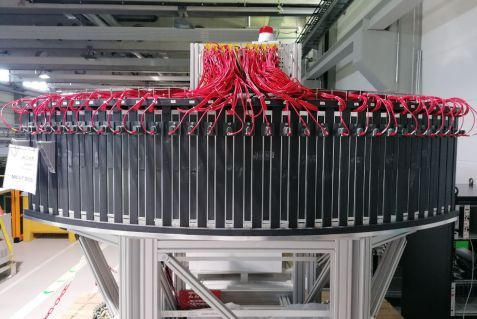
Find out more about exciting new projects funded by the BMFTR as part of the ErUM-Pro programme, explore two new instruments, and take a look back at the achievements of a brilliant colleague in this first newsletter of the year!
From Behind The Sciences
- 11.03.2026Author: Andrea Voit
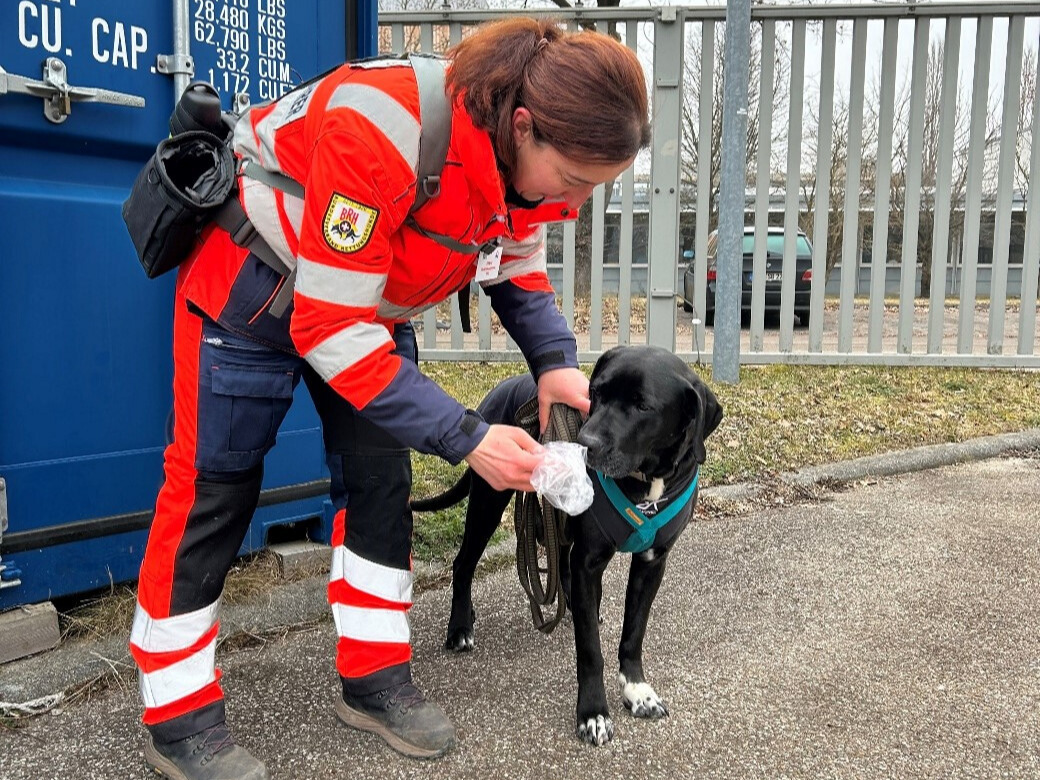
BMFTR action plan “ErUM-Pro funding” at MLZ:
MLZ is a cooperation between:
> Technische Universität München> Helmholtz-Zentrum Hereon
> Forschungszentrum Jülich
MLZ is a member of:
> LENS> ERF-AISBL
MLZ on social media: